Personalization at Scale: Not Just a Buzzword
How automotive dealers can leverage data-driven personalization, AI-powered marketing automation, and customer segmentation to deliver hyper-targeted campaigns that drive real ROI.
In the ever-evolving landscape of automotive marketing, personalization has become more than just a buzzword—it's a fundamental shift in how dealerships connect with customers. The days of one-size-fits-all advertising are over. Today's car buyers expect tailored experiences that speak directly to their needs, preferences, and buying journey.
The Power of Data-Driven Marketing in Automotive Retail
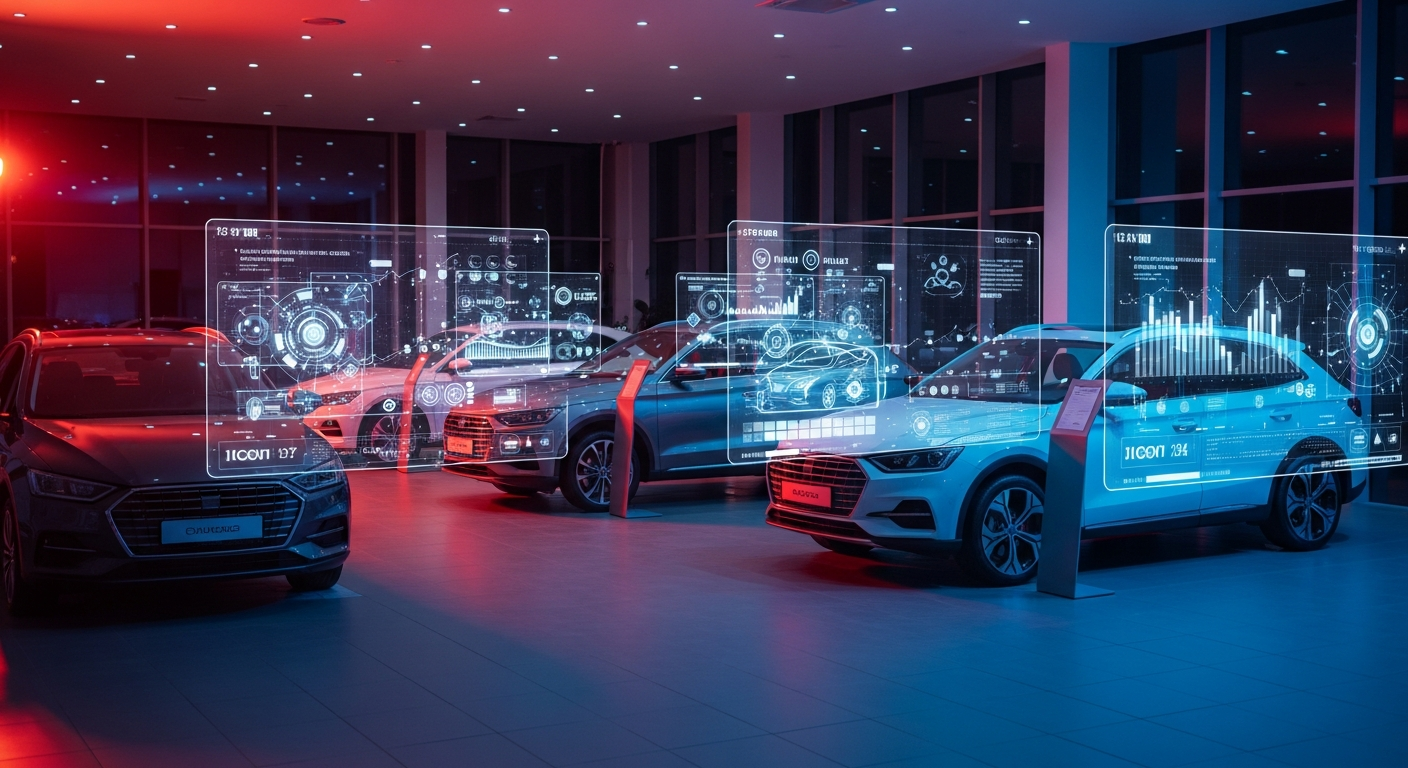
Data-driven marketing strategies have transformed how car dealerships approach customer acquisition and retention. By leveraging first-party data, behavioral analytics, and predictive modeling, dealers can create personalized customer journeys that convert browsers into buyers. This approach to automotive digital marketing ensures every touchpoint is optimized for maximum engagement.
Customer data platforms (CDPs) enable dealerships to unify customer data from multiple sources—website visits, CRM interactions, service appointments, and more—creating a 360-degree view of each prospect. This unified customer profile powers personalized email marketing, dynamic website content, and targeted advertising campaigns across paid search, social media advertising, and programmatic display networks.
AI-Powered Marketing Automation for Car Dealers
Artificial intelligence and machine learning have revolutionized marketing automation in the automotive industry. AI-powered tools can analyze vast amounts of customer data to predict purchase intent, optimize ad spend, and deliver personalized content at scale. From automated email sequences to dynamic retargeting campaigns, AI enables dealerships to maintain 1-to-1 communication with thousands of prospects simultaneously.
Marketing automation platforms designed for automotive retail can trigger personalized messages based on customer behavior—whether it's a vehicle detail page view, a trade-in value inquiry, or a service reminder. This level of automation ensures no lead falls through the cracks while maintaining a personalized touch throughout the customer lifecycle.
Customer Segmentation Strategies That Drive Results
Effective personalization starts with smart customer segmentation. By dividing your audience into distinct groups based on demographics, psychographics, purchase history, and behavioral data, dealerships can craft messaging that resonates with each segment.
Each segment requires unique messaging, offers, and channels to maximize engagement and conversion rates. A well-executed segmentation strategy can improve marketing ROI by 20-30% by ensuring ad dollars are spent reaching the right customers with the right message at the right time.
Omnichannel Personalization in Automotive Marketing
Modern car buyers interact with dealerships across multiple channels—search engines, social media, email, direct mail, and in-store visits. Omnichannel marketing ensures a consistent, personalized experience across all touchpoints. When a customer researches a specific vehicle online, that data should inform the messaging they receive via email, the ads they see on social media, and the conversation they have with your sales team.
Connected TV (CTV) and over-the-top (OTT) advertising have opened new opportunities for personalized video marketing. Dealerships can now serve targeted video ads to specific households based on automotive intender data, geographic location, and demographic profiles—bringing the precision of digital targeting to the big screen.
Measuring Personalization ROI in Automotive Advertising
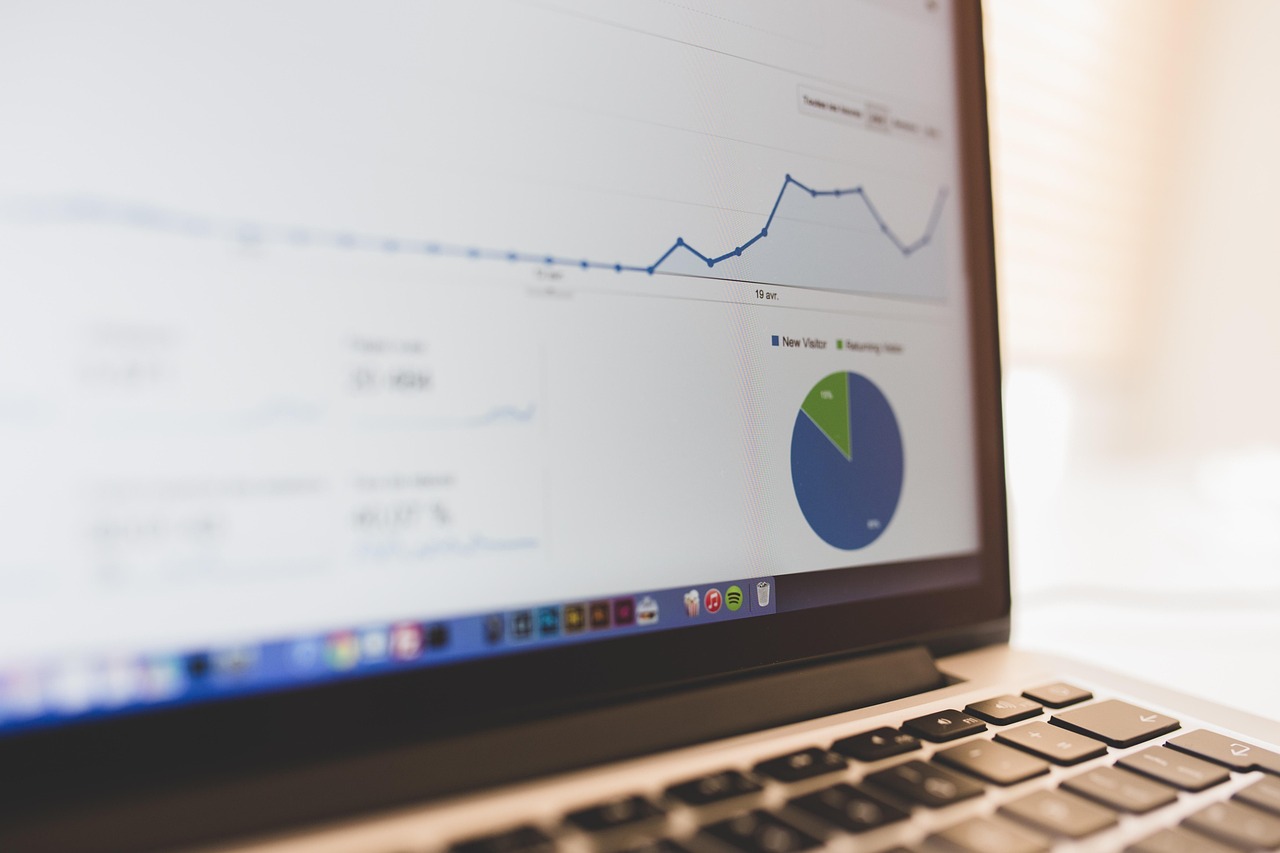
The true test of any personalization strategy is its impact on the bottom line. Key performance indicators (KPIs) for measuring personalization effectiveness include:
Attribution modeling helps dealerships understand which personalized touchpoints contribute most to conversions. Multi-touch attribution provides visibility into the complete customer journey, enabling continuous optimization of personalization efforts across the marketing mix.
The Future of Personalized Automotive Marketing
As technology continues to evolve, personalization capabilities will only grow more sophisticated. Emerging trends include real-time personalization powered by edge computing, voice-activated search optimization, augmented reality vehicle experiences, and predictive analytics that anticipate customer needs before they arise.
Privacy regulations and the deprecation of third-party cookies are reshaping how dealerships collect and use customer data. First-party data strategies, contextual targeting, and privacy-compliant personalization will be essential for success in the cookieless future.
The dealerships that invest in personalization infrastructure today will be best positioned to win tomorrow's car buyers. Personalization at scale isn't just a buzzword—it's the competitive advantage that separates market leaders from the rest.